Right now, parts of Europe are facing serious challenges due to rising crime and social tensions linked to mass migration.
This is not speculation — it’s happening in real time, in front of us. Cities in Spain, France, and the UK are experiencing growing unrest, and people are starting to ask hard questions about safety, immigration policy, and the future of multicultural societies.
The scenes are real.
The violence is real. And the worry is spreading, not just among politicians and commentators, but among ordinary people trying to live their daily lives.
Spain, on the Edge
In Spain, the situation is tense. In the town of Tor Pachhat, an elderly man was violently attacked by a migrant gang.
This incident sparked clashes between locals and migrants, and the tension has not cooled down.
In another shocking case, a man carrying his baby was threatened at knifepoint simply for walking down the street.
Incidents like these are leaving many Spaniards feeling unsafe in their own neighborhoods.
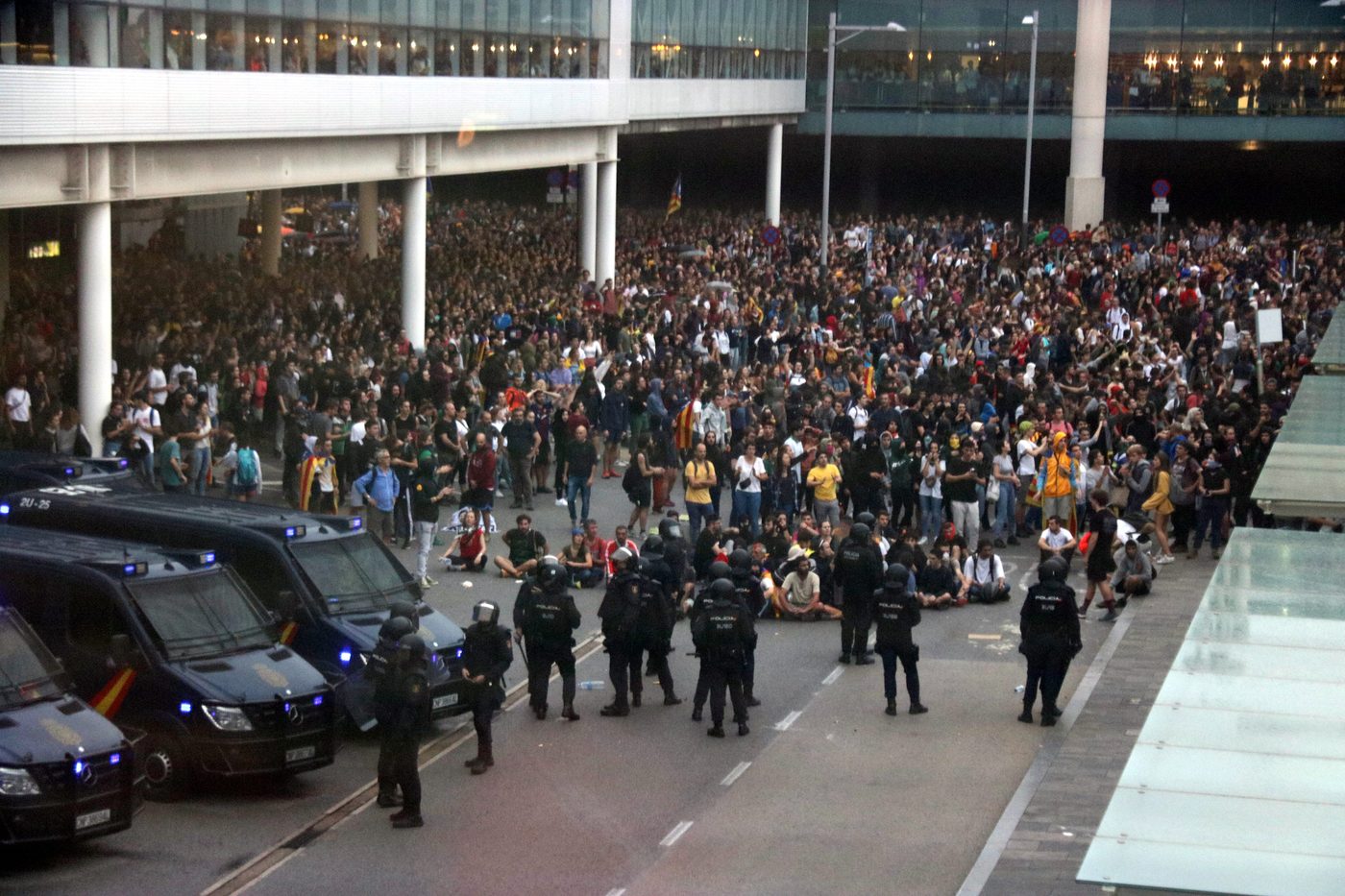
Barcelona, a city once famous for tourism and culture, is also facing difficulties. Instead of crowds enjoying the city’s streets and squares, videos are now circulating of large groups of men chanting in the streets. Some locals say it feels like the city is changing too fast, and they are not sure where it’s headed.
France: Violence and Political Paralysis
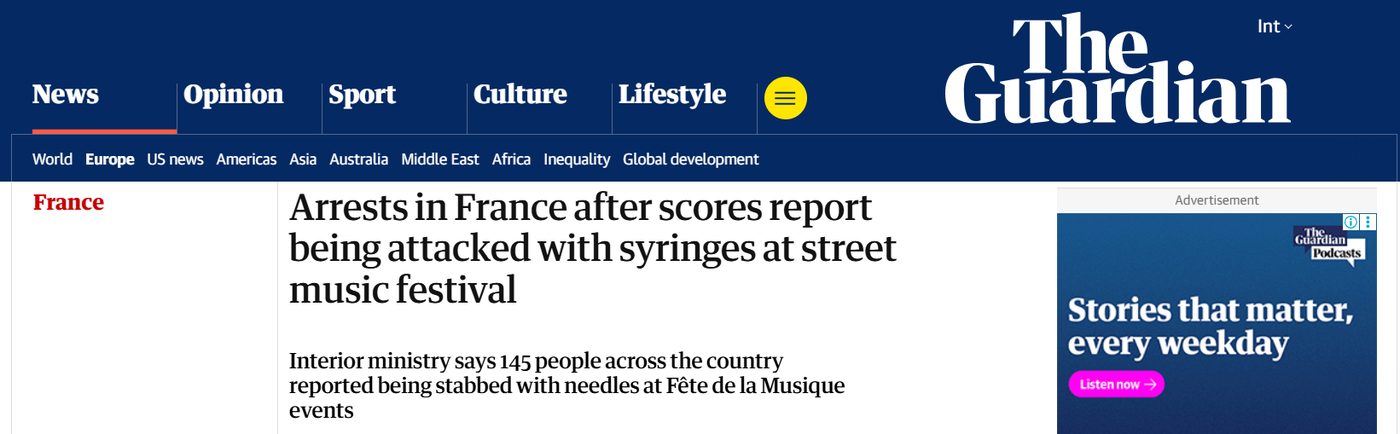
France is also struggling with similar issues. During the recent Fête de la Musique, an event meant to celebrate music and community, chaos broke out.
There were reports of people being stabbed with syringes and property being set on fire.
Social media exploded with comments and videos from the scene. One user remarked, “This doesn’t look like France anymore.” The sentiment is spreading — many French citizens feel their cities are becoming unrecognizable.
The violence continued after Paris Saint-Germain’s Champions League victory. Riots broke out in parts of Paris, and two women were trapped in their car while it was smashed by a group of rioters. These are not isolated incidents — they’re part of a larger pattern of unrest that is leaving people afraid and frustrated.
To make matters more complicated, a French court has ruled that all Palestinians from Gaza can now apply for asylum in France.
This could mean up to 2.1 million people from Gaza may seek refuge in Europe.
Once in France, they could move freely within the EU due to freedom of movement rules. Many fear this will add to the existing pressures on French cities.
The UK: Crime at Record Levels
The United Kingdom is also facing a growing crime problem. Knife crime is at record highs, and attacks are happening daily.
People are being randomly targeted on the streets, and communities are struggling to cope.
Women’s groups are speaking out about their concerns. They say life has changed, especially for women, who now feel less safe walking alone in many areas. The issue is no longer just about immigration — it’s about how the system is failing to integrate people, leaving communities divided.
Take Bordesley Green in Birmingham, for example. It is now considered one of the most dangerous areas to live in the UK. In this area, less than 10% of the population is white British. Violent and sexual crimes make up over 50% of all reported crimes, with 150 to 160 cases every month.
London, the UK’s capital, has also become a symbol of the problem. Just recently, a 24-year-old man was stabbed to death outside a luxury hotel because someone wanted his watch.
This wasn’t an unusual event — similar crimes are happening all the time.
Shoplifting is up 54%, theft is up 41%, and last year, 70,000 phones were stolen in the city. There is also a disturbing rise in sexual offenses. Statistics show that there is now one rape every hour in London.
The bigger issue is that many Londoners feel the city is no longer under control. Some blame government inaction. Others blame the system itself, saying that unchecked immigration and poor integration policies have led to parallel societies — groups that live side by side but don’t share language, culture, or values.
Government Response: Too Little, Too Late?
Across Europe, political leaders are promising solutions, but many citizens are losing faith.
In the UK, people are criticized for focusing more on migrant protections than on public safety. Critics like Zia Yusuf from Reform UK are calling for mass deportations and stricter immigration controls. His plan includes building detention centers, increasing deportation flights, and cutting foreign aid to countries that won’t take back their citizens.
In France, President Emmanuel Macron recently agreed to a new deal with the UK to try to stop illegal crossings in the English Channel.
But commentators are skeptical, saying the plan won’t work because of legal restrictions from the European Court of Human Rights.
With governments slow to act, some citizens are taking matters into their own hands. In Spain, there are reports of locals fighting back against migrant gangs. In France and the UK, protests and online campaigns are growing, demanding tougher action on crime and immigration.
This is not just a political debate anymore. It’s a daily reality for millions of people across Europe who are watching their streets become more dangerous, their neighborhoods change overnight, and their leaders fail to respond fast enough.
Europe is now at a crossroads.
There are real problems that need real solutions — crime, social division, and the challenges of integrating large numbers of new arrivals into European societies.
The question is: Will the governments finally take action? Or will the crisis keep getting worse until the people have no choice but to handle it themselves?
Right now, Europe is waiting for an answer.