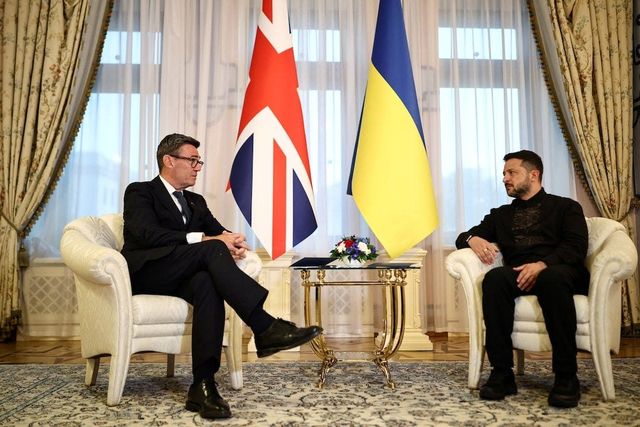
Zelensky, since the invasion of Ukraine, is saying that Russia is not going to stop in Ukraine
its ambitions are too big.
According to Zelensky, Putin could target five European nations next, including Poland and the Baltic states — Estonia, Latvia, and Lithuania.
It also doesn’t seem unrealistic, especially when we see that Putin is working on a grand geopolitical strategy; Ukraine is just the first step.
As the war in Ukraine enters its fourth year with no sign of resolution, some reports suggest that Putin intends to extend the conflict until 2026, aiming for the collapse of Ukraine’s government and the fading of Western influence.
Russia has rejected multiple ceasefire offers from the United States, viewing Ukraine as a crucial buffer against NATO.
By prolonging the war, Putin aims to divide NATO politically, militarily, and financially.
It also doesn’t seem to be unrealistic as when we see that Putin is working on the grand geopolitical strategy, Ukraine is just a first step
As the war in Ukraine is in its fourth year with no sign of resolution. Some reports suggest that Putin intends to extend the conflict until 2026, ensuring Ukraine’s government collapses and Western influence fades. Russia has rejected multiple ceasefire offers from the United States, viewing Ukraine as a crucial buffer against NATO.
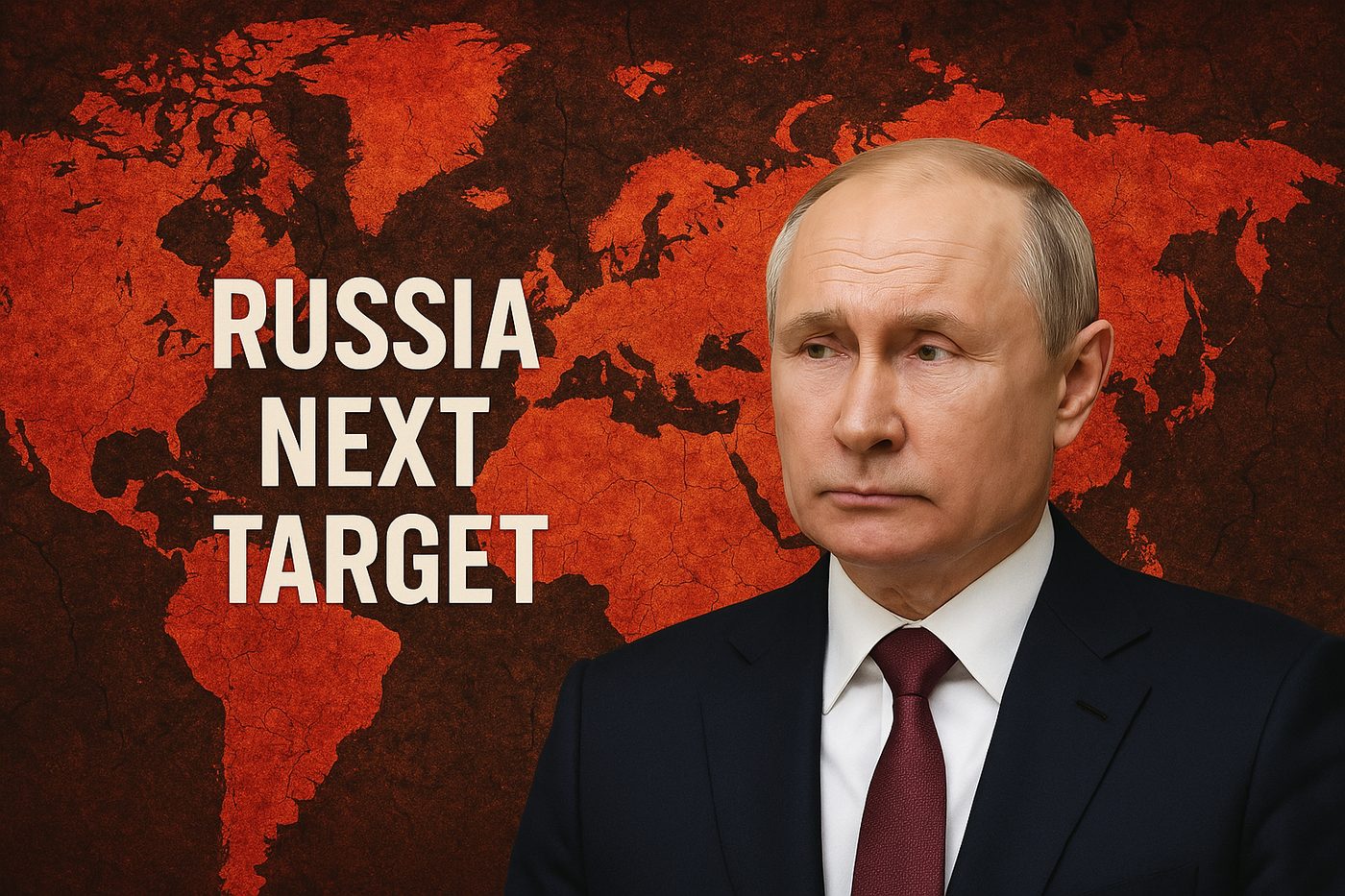
But beyond Ukraine, Russia has a broader plan to reshape global power dynamics.
But the question now is: What comes next? Which country is on Russia’s radar after Ukraine?
Moldova
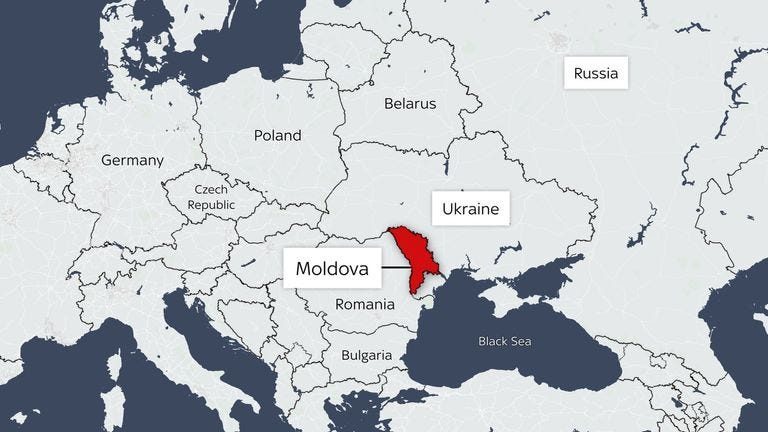
One of Russia’s likely next moves is Moldova, a small country southwest of Ukraine.
Moldova shares a border with Romania, a NATO member, making it a critical entry point into Eastern Europe.
Since 1990, Russian troops have been stationed in Transnistria, a breakaway region of Moldova. This military presence gives Russia the ability to launch a swift takeover, cutting off Western supply routes to Ukraine and surrounding the country from three sides.
If Russia successfully captures Moldova, NATO’s position in Eastern Europe will weaken significantly.
Balitic states and sea
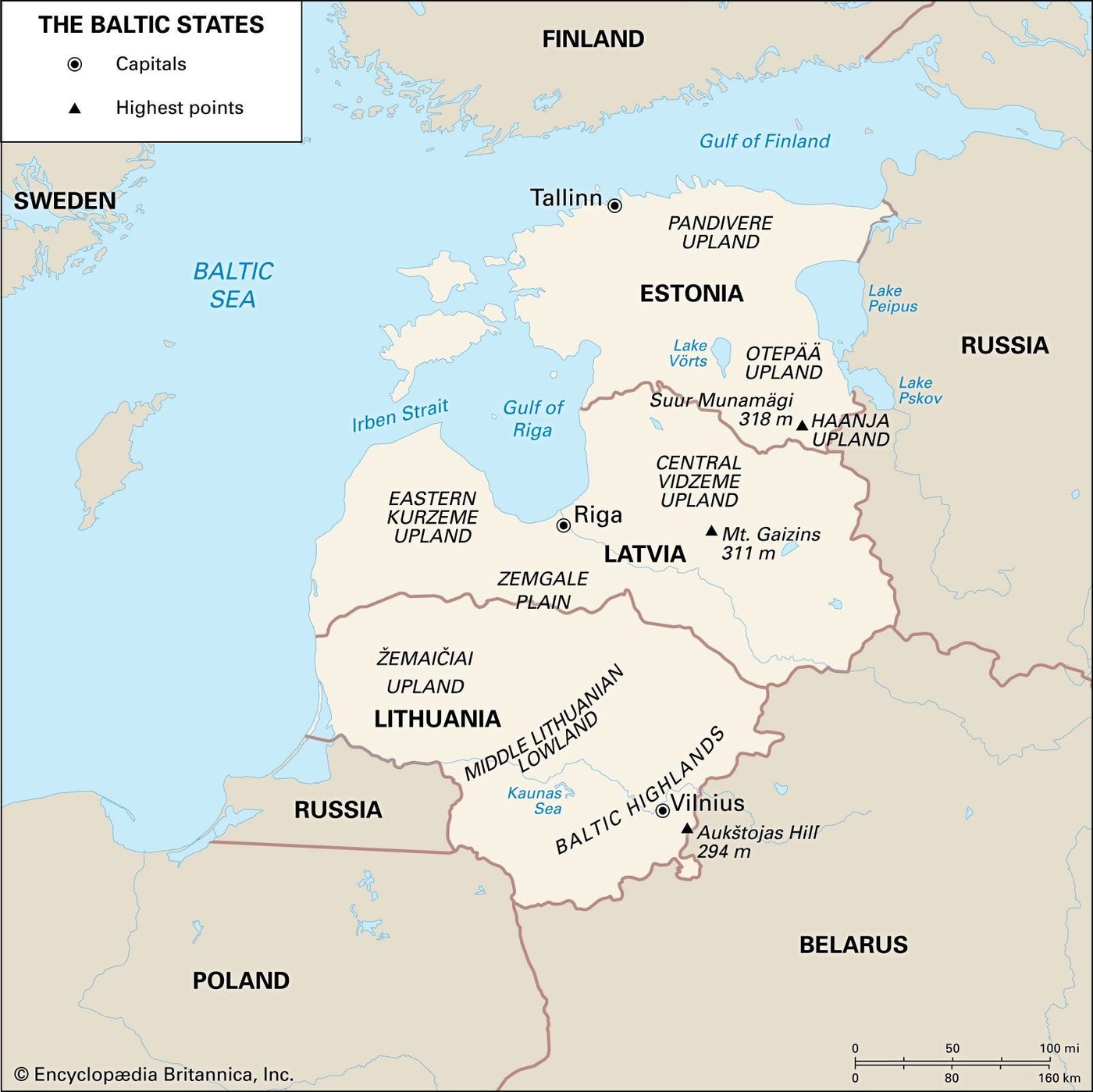
Security experts, including former Swedish armed forces chief Micael Bydén, believe Russia is aiming for control over the Baltic Sea. This would allow Moscow to dictate military and economic movements in Northern Europe, strengthening its geopolitical leverage. The Finnish government report suggests that Russia envisions a larger strategic buffer zone, encompassing both the Baltic and Black Seas.
On the northern front, Estonia, Latvia, and Lithuania are highly vulnerable. These Baltic states joined NATO in 2004 to protect themselves from Russian aggression, but their small size and proximity to Russia put them at great risk.
A key concern is that Estonia and Latvia have large Russian-speaking populations — about 25% of their citizens are ethnically Russian. Putin could use the same pretext he did in Ukraine, claiming to protect Russian-speaking minorities while launching military action.
An attack on any of these nations would test NATO’s Article 5, which considers an attack on one member as an attack on all. but, NATO’s unity is not guaranteed, especially in the Trump’s criticisms of the alliance. If NATO fails to respond decisively, its credibility could collapse, marking a major victory for Putin.
Finland is also not behind
In a December 2024 report by Finnish newspaper Iltalehti, based on an alleged government defense assessment, unnamed NATO sources warned that Russia might target Finland and other neighboring states if its invasion of Ukraine succeeds. Although the report does not specify a timeline, it highlights Russia’s historical military exercises — such as the 2017 Zapad drill — that simulated attacks on Finland, Norway, and the Baltic states.
Georgia
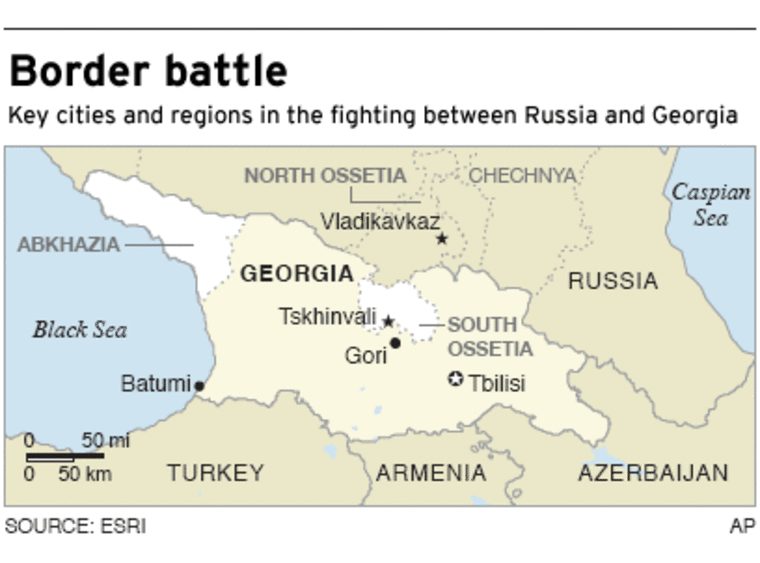
Further south, Georgia is another potential target. Russia invaded Georgia in 2008 and has since controlled two breakaway regions — Abkhazia and South Ossetia.
Georgia has been seeking NATO membership, but its exclusion makes it vulnerable.
Beyond military conquest, Russia has economic motivations for controlling Georgia. The country serves as a key transit hub for oil and gas pipelines that transport energy from the Caspian Sea to Europe.
If Russia captures Georgia, it could strangle Europe’s alternative energy supply, forcing the continent to rely once again on Russian oil and gas.
Kazakhstan
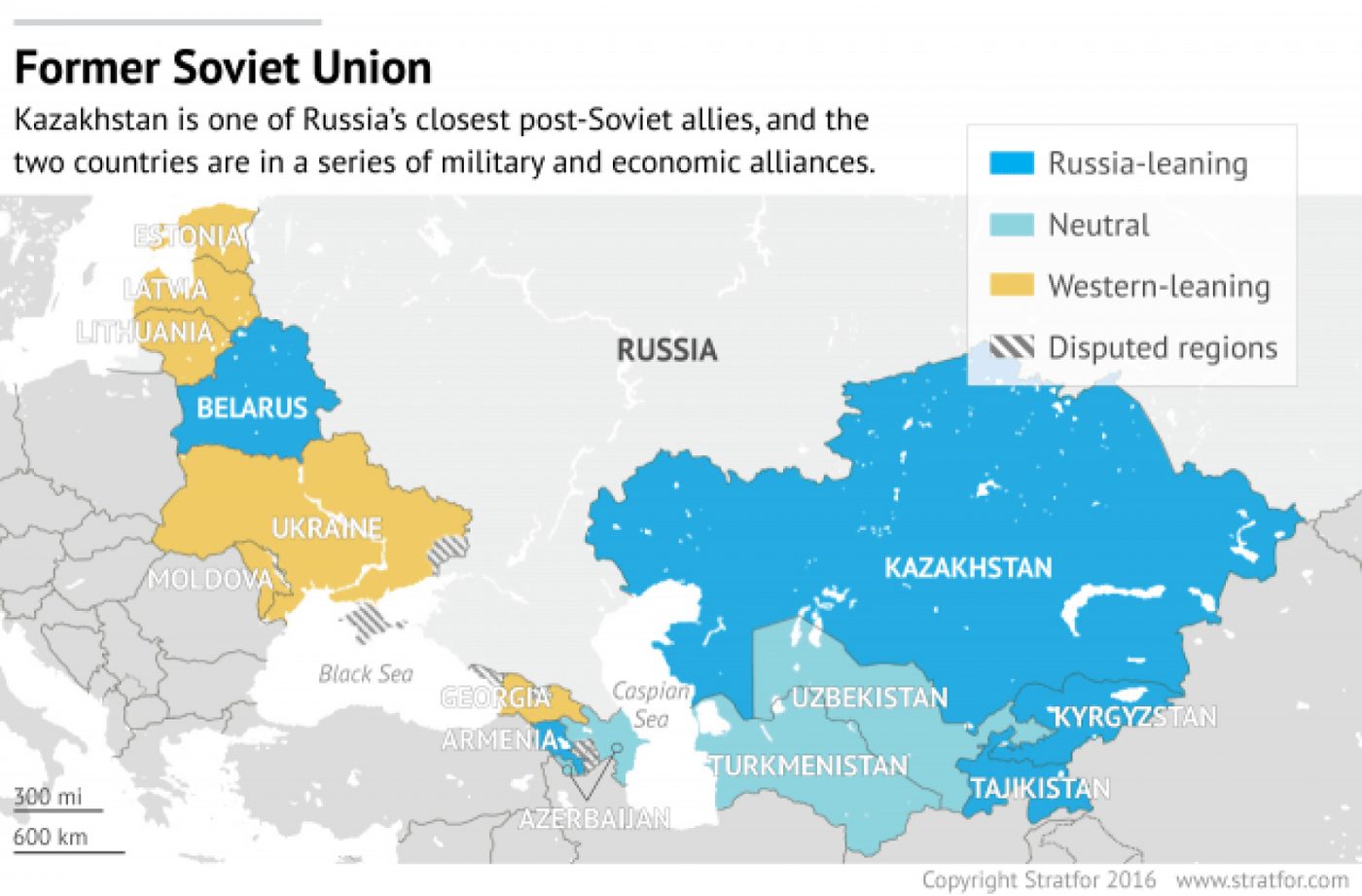
In the Central Asia, the Kazakhstan, could be the russia target as it was part of the former USSR and most importly it’s rich oil, gas, uranium, and rare earth minerals.
Historically aligned with Russia, it has recently diversified its partnerships — strengthening ties with China, Turkey, and the West. China’s Belt and Road Initiative has brought billions of dollars in investment to Kazakhstan, reducing Russian influence. Additionally, American and European energy companies have heavily invested in Kazakh oil fields.
Russia sees this shift as a threat and may use diplomatic pressure, economic leverage, or even military intervention to bring Kazakhstan back under its control.
The Arctic
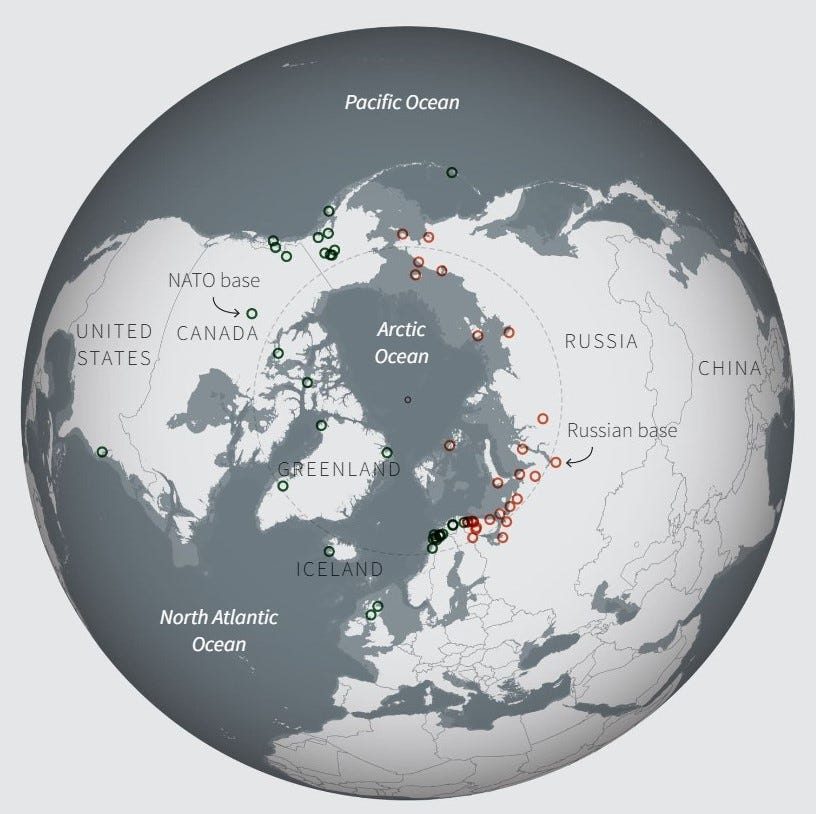
While much of the world focuses on Eastern Europe, another geopolitical flashpoint is emerging in the Arctic. Due to climate change, melting ice is opening new sea routes that could revolutionize global trade.
Russia already controls half of the Arctic coastline and has built over 50 military bases in the region. With more than 40 icebreakers — compared to just two in the U.S. — Russia is positioning itself as the dominant power in the Arctic.
The region is also rich in oil, natural gas, and rare earth minerals, making it a vital resource hub for future energy markets.
The U.S. and NATO are scrambling to catch up, but Russia’s head start gives it a significant advantage in controlling this new strategic frontier.
Beyond military expansion, Russia is investing heavily in lithium production.
With global demand for lithium rising due to electric vehicles and green energy technologies, Putin aims to produce 60,000 metric tons annually by 2030.
Russia’s vast lithium reserves, mostly in Siberia, could make it a key player in the future of energy. If successful, Moscow could counteract Western sanctions and dominate the global electric vehicle industry.
Western officials remain wary of Russia’s strategic calculations. German Defense Minister Boris Pistorius has warned that Putin “might even attack a NATO country” and that Europe must prepare for conflict by 2029.
The coming years will determine whether NATO’s deterrence strategy is enough to prevent further escalation or if Europe will face another direct confrontation with Moscow.