For the last three years, Russia has avoiding its economic collapse despite the toughest Western sanctions since the war began, factories kept running, the ruble stayed stable, and its GDP even grew faster than some EU countries. Factories stayed busy, the ruble stabilized, and GDP growth even outpaced several EU states.
But the illusion of the Russian unstoppable war economy is now fading
The war that once revived Russia’s industry is now consuming it. And the cracks are finally showing.
The Rate Cut That Spoke: What is happening in Russia
Earlier this month, the Central Bank of Russia made a surprise move: it cut interest rates despite inflation rising above 5%.
That’s not confidence — it’s panic. The decision came days after Washington blacklisted Rosneft, Lukoil, and Gazpromneft, Russia’s energy giants that bankroll much of the state’s budget.
The message was clear: Moscow’s war economy is running out of steam.
The Kremlin is now using cheap credit not to boost growth, but to keep the system from freezing.
Russia’s central bankers know the truth — growth is evaporating. The bank quietly cut its 2025 forecast to 0.5–1%, while inflation and deficits continue to rise.
Even Russia’s “Fortress Economy” can’t shield it forever.
When Russia invaded Ukraine in 2022, the West bet on financial collapse.
But what followed instead was a transformation.
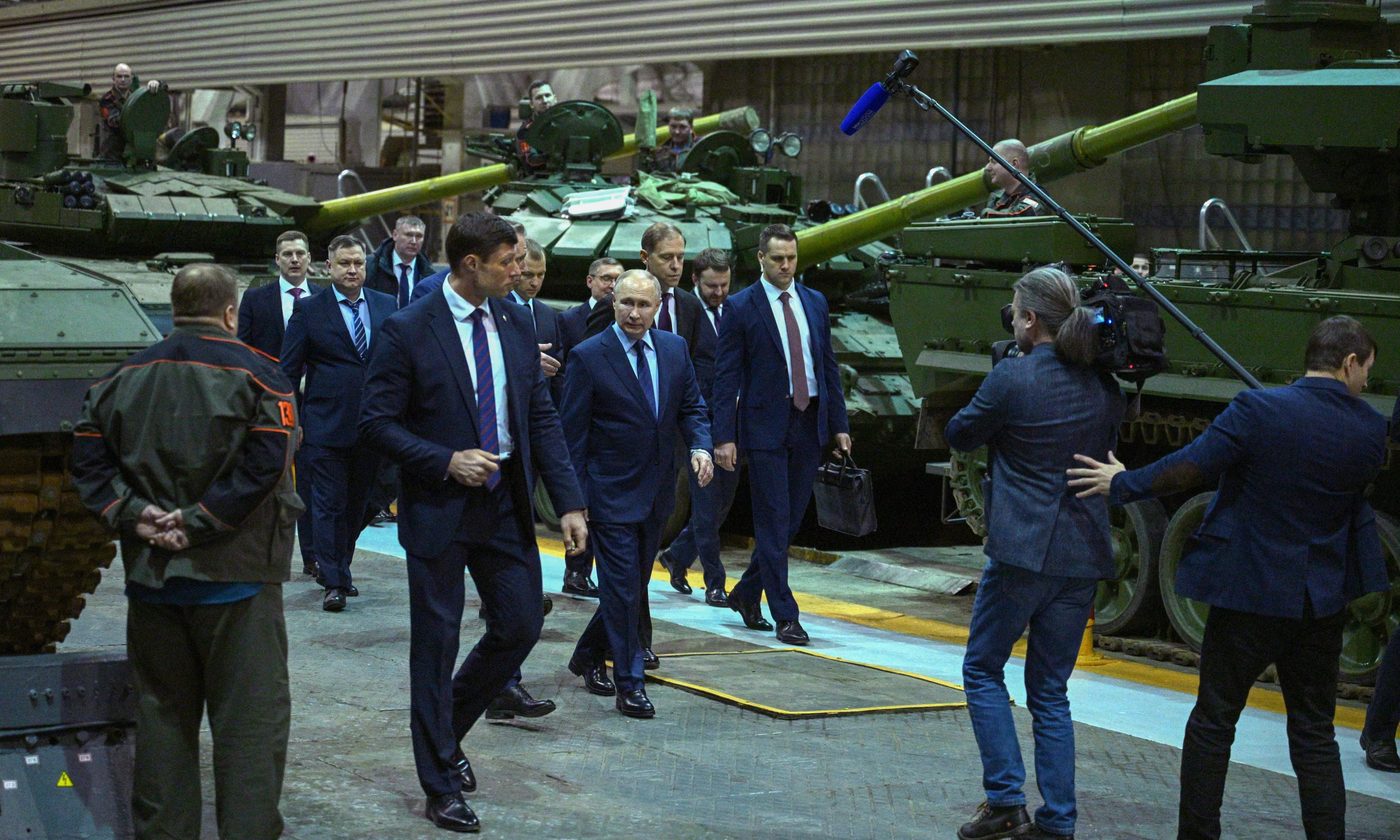
The Kremlin converted its entire economy into a war machine. Unemployed workers found jobs in arms factories. Women filled production lines once dominated by men. And government spending surged by 15.5 trillion rubles ($160 billion) — over a third of all national expenditure.
By 2024, Russia’s GDP was up 4%, driven by tank production, drone manufacturing, and inflated state orders.
It looked like a miracle — until it wasn’t.
Civilian industries began to rot. Construction, automobiles, and IT shrank.
Inflation rose above 13%, while food and housing prices soared.
It’s the “second phase” of a war economy — when the sugar high of military spending turns into stagflation and exhaustion.
Factories are still working. But workers are missing. And the money’s running out.
But, what works now?
Sanctions failed Russia because Moscow rewrote the rules.
When Russia was cut off from the West, it turned to the East.
China and India became its economic lifelines, buying cheap oil and paying in yuan and rupees instead of dollars.
The latest U.S. sanctions are unlike the previous rounds.
For the first time, Washington directly targeted Russia’s private oil giants — Rosneft and Lukoil — not just state institutions or defense-linked banks.
This changed everything.
By sanctioning private companies that handle nearly half of Russia’s oil exports, the U.S. effectively extended the sanctions to their global partners.
That means any firm — whether in China, India, or the Gulf — dealing with these companies now risks losing access to the U.S. financial system.
And the reaction came immediately.
China’s four largest state oil firms — PetroChina, Sinopec, CNOOC, and Zhenhua Oil — suspended all seaborne Russian oil purchases just hours after the sanctions were announced.
Together, these firms import nearly 250,000 to 500,000 barrels per day of Russian crude.
India followed quickly. Reliance Industries, the country’s top private refiner and Russia’s single largest buyer in Asia, announced it would comply with Western sanctions and begin winding down its long-term supply deal with Rosneft, worth around 500,000 barrels per day.
The result? Russia just lost its two biggest oil customers — China’s state firms and India’s Reliance — within 48 hours of Washington’s move.
That’s a blow the Kremlin did not anticipate.
Energy sales make up 30% of Russia’s federal revenue.
Losing both markets, even temporarily, could cost billions in monthly income and choke the budget that funds its war in Ukraine.
Even Chinese “teapot” refiners, which often act independently of state oversight, are reportedly reassessing deals with Russian intermediaries to avoid being blacklisted.
For Moscow, this is more than an energy setback.
It’s a geopolitical one, a signal that the U.S. is willing to weaponize private-sector compliance across borders.
And while this may isolate Russia, it also sets a dangerous precedent, but that erodes trust in the neutrality of global private firms that fear becoming collateral in Washington’s sanctions war.
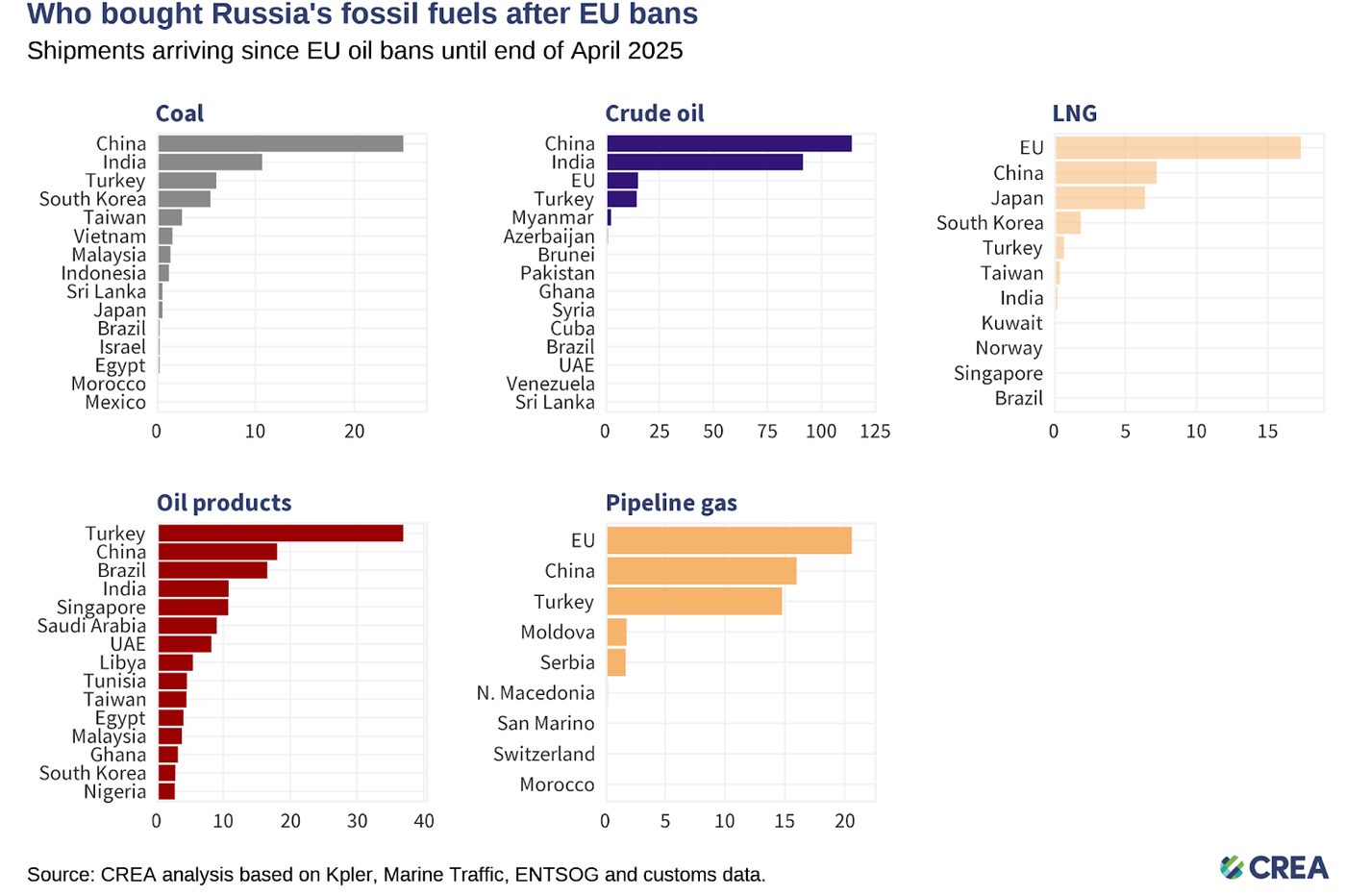
By 2025, over 90% of Russian crude was flowing to Asia through a network of ghost ships and secret intermediaries.
The U.S. oil price cap of $60 per barrel was openly ignored — Russian tankers were self-insured and rerouted through neutral ports.
The result?
Russia stayed solvent, but became dependent. Chinese firms now dominate its machinery imports, chip supplies, and industrial spare parts.
Moscow may boast of “sovereignty,” but its economy is increasingly tied to Beijing’s goodwill.
“Russia has become China’s raw-materials appendage — a junior partner with nukes.”
The Sanctions That Bite Late
Western policymakers admit it privately: sanctions hurt, but slowly.
Russia’s foreign reserves have plunged from $135 billion to $35 billion since 2022.
Its National Wealth Fund — once a safety net — could run dry by late 2025. And defense spending now swallows 7–8% of GDP, crowding out healthcare, education, and infrastructure.
Regional budgets are collapsing. While Moscow’s elite grows richer, 67 out of 89 regions ran deficits in early 2025.
Poverty is rising, especially in industrial towns where the war economy replaced everything else.
Even Putin’s technocrats are uneasy, as they stated that
“We can’t stop the war without risking collapse. But continuing it means the same.”
Ukraine’s Drones, Russia’s Refineries
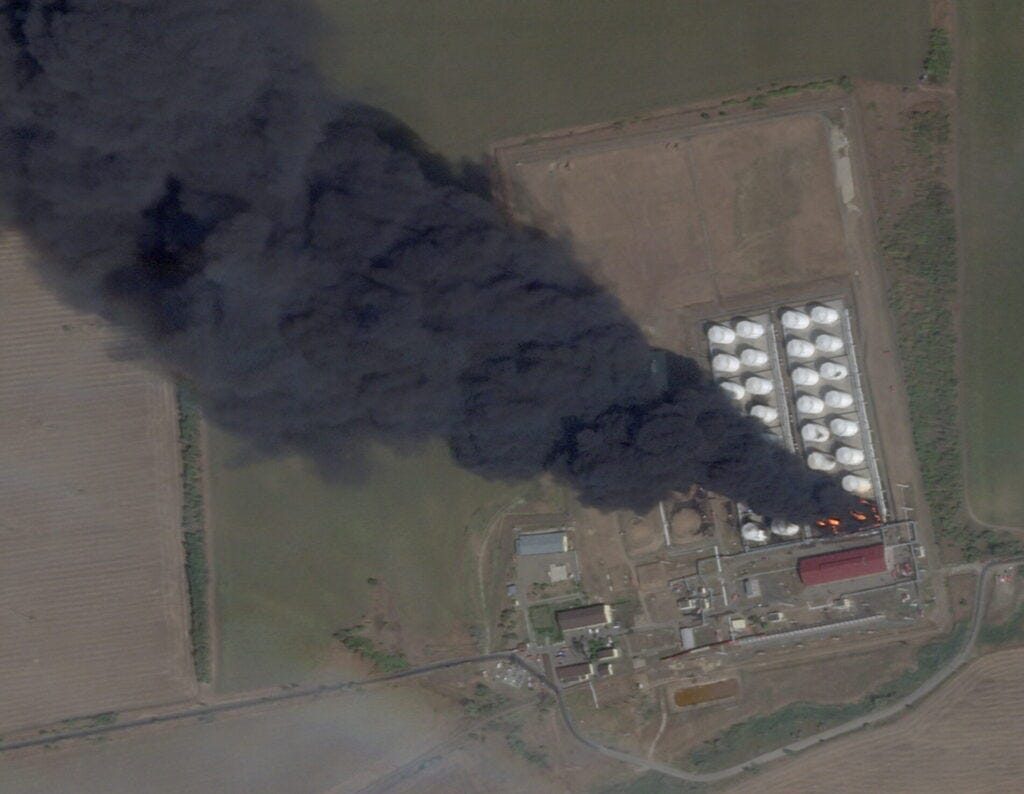
The latest threat isn’t only about the Western sanctions — it’s Ukrainian drones.
Throughout 2025, Kyiv’s strikes on Russian oil refineries disrupted nearly 15% of production capacity, triggering fuel shortages and export delays.
The International Energy Agency predicts these disruptions will persist into mid-2026, cutting billions from Moscow’s revenue.
For a regime that runs on oil and propaganda, that’s dangerous.
The drones aren’t just hitting refineries — they’re puncturing the myth of invincibility.
Putin’s war economy is a paradox that is strong enough to survive, too weak to win.
It can fund the army, not the nation.
It can build tanks, not homes.
It can silence dissent, not inflation.
The Kremlin calls it “stability.” Economists call it controlled decay.
Every ruble spent on war widens the hole in Russia’s future.
“Russia isn’t running out of weapons — it’s running out of time.”
Russia has trapped itself in a cycle of militarized survival. Cutting war spending would risk political collapse. Keeping it high will bankrupt the system slowly.
Either way, the “unstoppable” war economy is reaching its limits.
Putin built an economy that could survive isolation. Now he’s discovering what survival looks like without growth, innovation, or hope.